
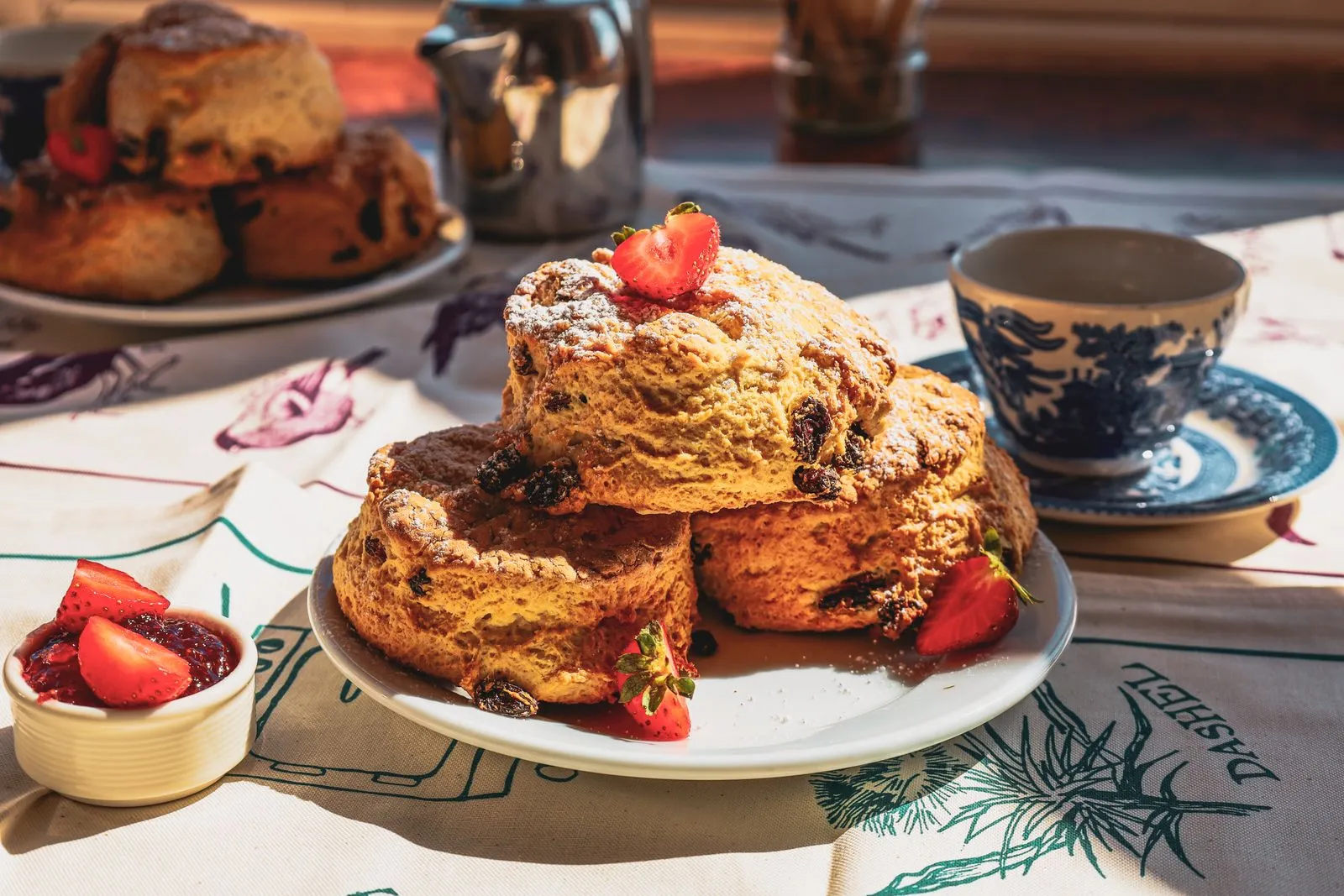
A thoughtful tea pairing can bring out the best in a vegan pastry or savory bite. The key is to consider sweetness, richness, seasoning, and texture: a bold tea can balance a buttery plant-based tart, while a delicate cup may suit a cucumber sandwich. You do not need strict rules or rare ingredients. Use the flavors on the plate as a guide, then choose a tea that complements them or offers a pleasant contrast.
Match Tea Strength to Flavor
Black tea has the body to stand up to rich or boldly flavored foods. Pair it with vegan scones, spiced cake, chocolate pastries, or sandwiches filled with smoky tempeh. If a bite is especially sweet, a brisk black tea can keep the combination from feeling cloying. For delicate fillings, brew the tea a little lighter so its flavor does not take over.
Green tea tends to taste lighter and can bring a fresh, gently grassy note to a meal. Try it with cucumber sandwiches, vegetable rolls, or pastries featuring berries and citrus. A mild green tea also works well with lightly seasoned tofu or crisp vegetables. Avoid pairing a strongly bitter brew with subtle foods; use cooler water and a shorter steep to keep the cup balanced.
Balance Sweetness and Richness
For rich vegan desserts, look for teas with enough flavor to cut through creamy or nutty textures. Oolong can offer a middle ground between the freshness of green tea and the fuller character of black tea. It pairs well with almond pastries, fruit tarts, and treats made with coconut cream. A roasted oolong can also echo toasted nuts or caramelized edges.
Herbal infusions offer plenty of options for sweets. Peppermint can refresh the palate after chocolate, while chamomile suits simple shortbread or a delicate fruit cake. Hibiscus has a tart, berry-like quality that can contrast with sweet frosting or jam-filled pastries. Since herbal blends vary, taste them before serving and consider whether their aromas will complement the dessert rather than compete with it.
Pair Savory Bites with Care
Think about seasoning when choosing tea for sandwiches and savory snacks. Earl Grey’s citrus aroma can lift a chickpea salad sandwich, while a robust breakfast tea suits fillings with roasted vegetables or savory plant-based cheese. For a mild sandwich, choose a gentle tea that supports its flavors. For mustard, pickles, or smoky ingredients, a fuller cup can hold its own.
Spiced bites call for tea that can meet their warmth without making the pairing feel heavy. Chai works naturally with curried vegetable pastries or spiced lentil patties. If the food already carries plenty of heat, choose a softer black tea or a soothing herbal infusion instead. Serve sauces and chutneys on the side so guests can adjust each bite and keep the tea in balance.
Make a Tea-Room Tasting
When serving several courses, arrange pairings from lighter to bolder. Begin with green tea and cucumber or herb sandwiches, move to oolong with nutty pastries, and finish with black tea alongside chocolate or spiced cake. This progression helps each cup feel distinct. Offer water between tastings, and keep portions modest so guests can explore combinations without becoming overwhelmed.
Let guests compare the same bite with two different teas. A berry tart might taste brighter with hibiscus and more rounded with black tea; a savory mushroom pastry may show different notes beside green tea or oolong. Provide brief tasting suggestions, but leave room for personal preference. The most useful pairing is one that makes both the tea and the food enjoyable.
Great vegan tea pairings come from simple contrasts: strong with rich, fresh with delicate, and tart with sweet. Start with the main flavor and texture of each bite, then adjust the tea’s strength to suit it. Try a few combinations at your next afternoon tea, or visit Juniper & Oat to explore plant-based tea-room fare.